Gluteal tendonitis is characterized by inflammation of the tendons that connect the gluteal muscles to the bones of the pelvis and thigh. These tendons play an important role in movement and stability during activities such as walking, running and climbing stairs.
Most common pathologies in the Hip and Thigh
Symptoms
Pain in the gluteal region, which can radiate to the outside of the hip, which worsens with activities such as climbing stairs or standing for long periods of time. There may also be sensitivity to touch in the affected area.
Risk Factors
Advanced age; Repetitive activities involving repetitive movements of the hip; Abrupt increase in the intensity or duration of physical activity; Poor posture in daily activities or physical exercise.
Protective Factors
Adequate warm-up of the muscles before physical activity; Gradual physical training, with a gradual increase in intensity and duration; Exercises to strengthen the gluteal muscles; Adequate posture.
Treatment
Rest; Application of local ice and painkillers; Specific exercises can strengthen the gluteal muscles and improve biomechanics; Assessment and correction of inadequate posture or incorrect technique during physical activities; Other medications can be administered under the guidance of a doctor, so in more serious cases clinical assessment should be required.
Information: All the information contained here is merely a summary for a general understanding of the pathologies, highlighting their definition, symptoms, risk factors, protective measures and treatment options.
Consulting a specialized health professional is essential for an accurate diagnosis and an effective treatment plan.
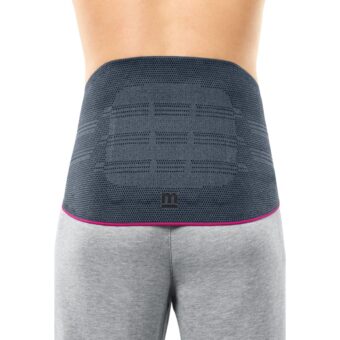
Get to know all the orthotics for Gluteal Tendonitis