Knee deformities such as varus, valgus and recurvatum refer to changes in the normal angulation of the joint.
It is characterized by excessive outward angulation, resulting in less space between the knees when the ankles are together.
Causes: Bone misalignment can be due to genetic factors, injuries or muscle imbalances.
Complications: Can lead to cartilage degeneration and arthrosis.
Treatment: Exercises to strengthen the muscles and improve posture; Orthoses or insoles to correct alignment and reduce pressure on the affected areas; In severe cases, surgical correction may be considered.
It is characterized by excessive inward angulation, resulting in less space between the knees when the ankles are together.
Causes: Bone misalignment can be due to genetic factors, injuries or muscle imbalances.
Complications: Additional stress on the lateral structures of the knee which can lead to injury.
Treatment: Exercises to strengthen muscles and improve posture; Orthoses or insoles to correct alignment and reduce pressure on affected areas; In severe cases, surgical correction may be considered.
It is characterized by an excessive backward curvature, extending beyond what is normal.
Causes: Muscle weakness or joint misalignment can result from injuries or neuromuscular conditions.
Complications: Excessive pressure on the front of the knee, which can lead to injury and discomfort.
Treatment: Exercises to strengthen muscles and improve balance; Orthoses or insoles to correct alignment and reduce pressure on affected areas; In severe cases, surgical correction may be considered.
Most common knee conditions
Information: All the information contained here is merely a summary for a general understanding of the pathologies, highlighting their definition, symptoms, risk factors, protective measures and treatment options.
Consulting a specialized health professional is essential for an accurate diagnosis and an effective treatment plan.
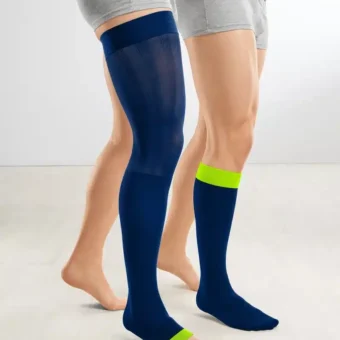
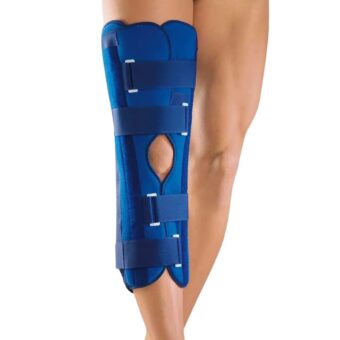
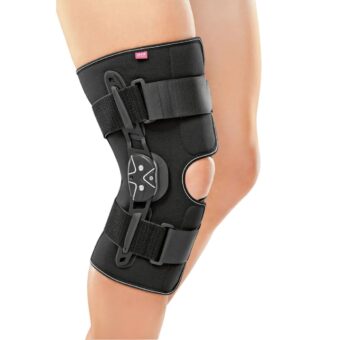
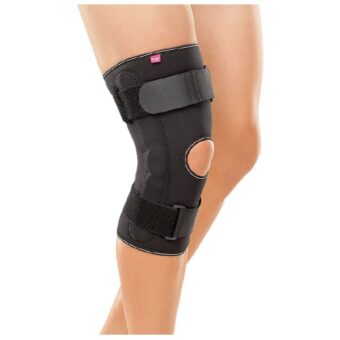
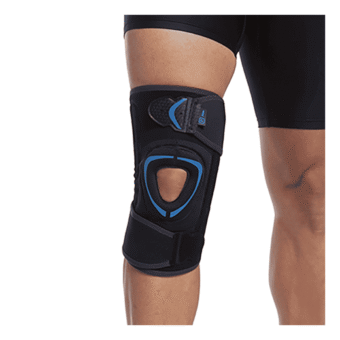
Discover all the orthoses for the varus / valgus / recurvatum knee